Les Éditions du Pacifique
29, rue des trois bornes,
75011 Paris, France
+(33) 1 42 22 48 63
bonjour@leseditionsdupacifique.com
18.50€
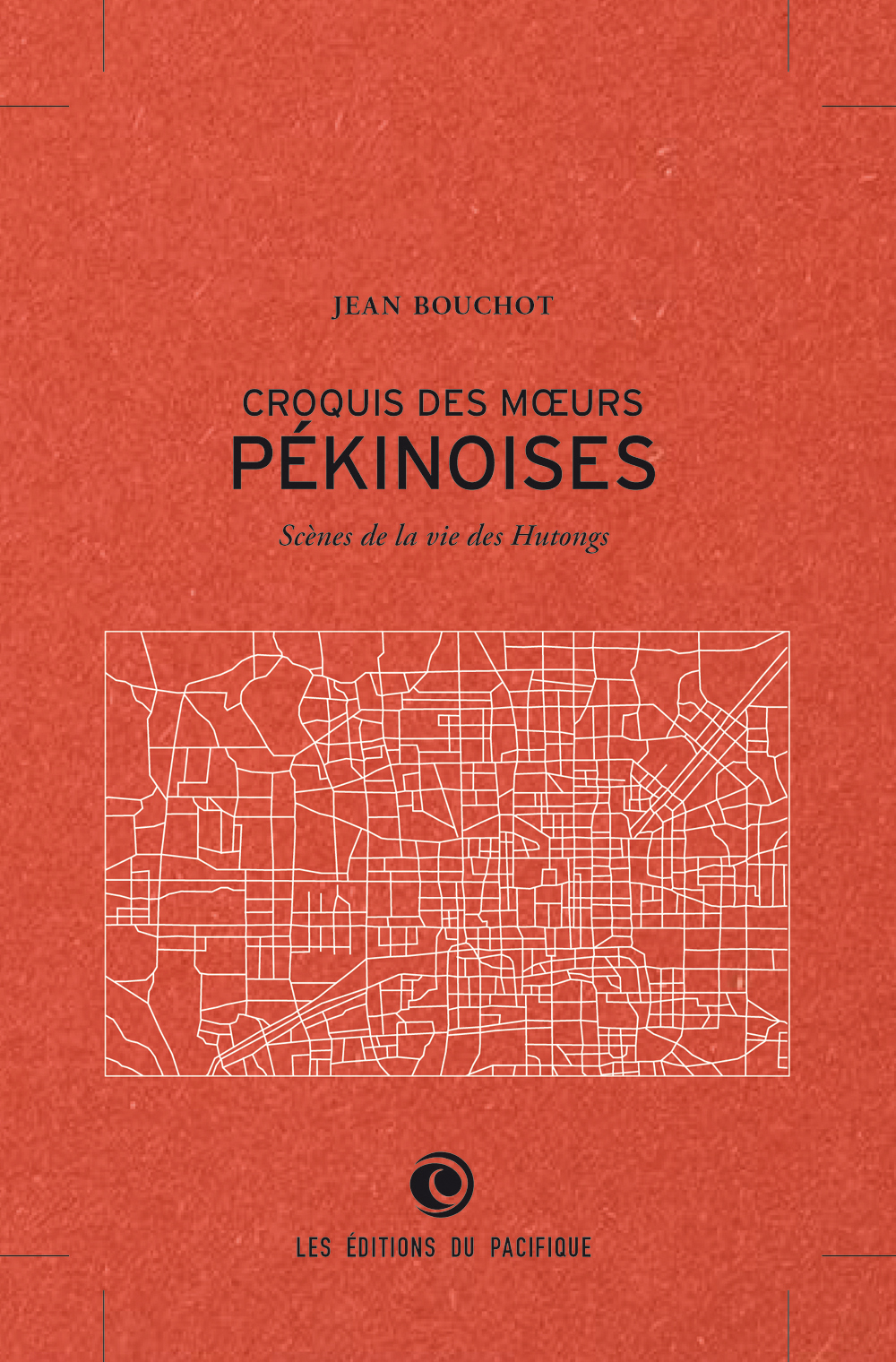
Discover the living soul of Beijing with Sketches of Beijing Manners, a book by Jean Bouchot. Through his drawings and observations, the city reveals itself in all its frenzy: narrow alleys, rickshaws, rickety stalls, and street vendors, painting a picture that is both authentic and often hilarious.
The unique charm of the hutongs
The hutongs, traditional alleys lined with siheyuan courtyard houses, are the historic heart of Beijing. Forming unique micro-neighborhoods, they bear witness to a rare architectural and social heritage. Despite urban transformation, some still survive, fascinating visitors with their authenticity and vitality.
A funny and insightful look at Beijing society
Jean Bouchot observes Beijing customs with humor and kindness, capturing the habits and characters of the inhabitants without ever resorting to irony. His attentive gaze makes Croquis des mœurs pékinoises a valuable testimony to a time of upheaval, revealing the daily life, interactions, and traditions of the first Chinese Republic.
A journey through time and alleyways
Part sketchbook, part narrative, this book is an invitation to explore Beijing in a different way, to experience the city in all its diversity and vitality. A must-read for lovers of history, travel, and Chinese culture.